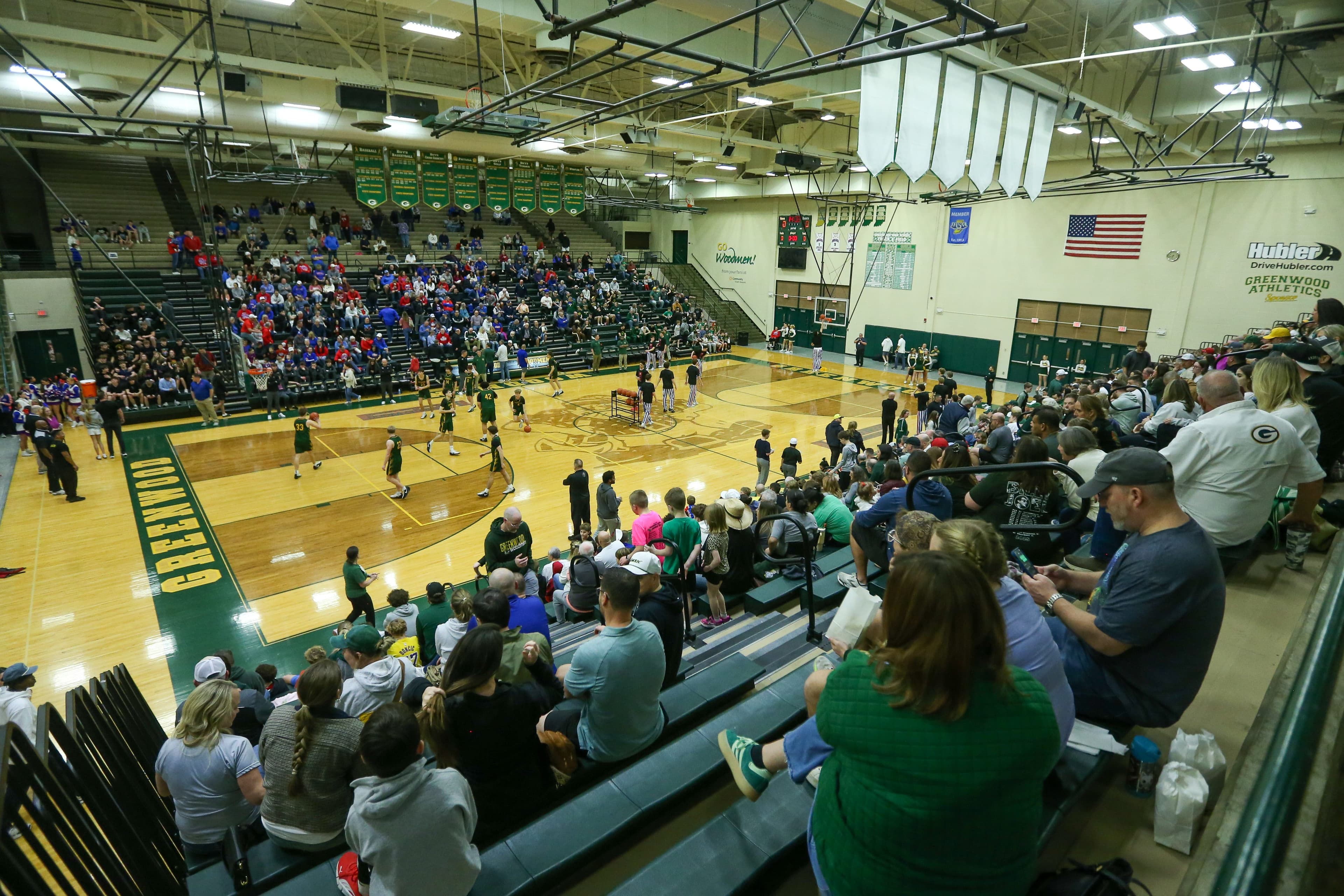


My daughter’s basketball season has ended, but my two boys are still playing. So lately we’ve been sitting together in gyms watching one another compete. I’ve noticed how different it feels when your own child is on the floor compared to when you’re sitting next to them watching their sibling.
When one of them is watching the other play, they’re seeing the game at a speed and physicality they may not have reached yet, where passes arrive more crisply, help defense rotates quicker, and decisions are made a half-second earlier than they are used to. That kind of exposure matters because it stretches their sense of what the game can look like. Even though my daughter’s season is over, she’s still absorbing something when she sits with us and watches her brothers. And when they come watch her during her season, the same thing is happening in reverse.
Sometimes I’ll lean over and ask, “What did you see there?” or “Why do you think that worked?” If they don’t know, I’ll share a quick thought and then let it breathe. It’s not a running commentary or a coaching clinic, just enough to get them thinking. And sometimes I can tell they’ve had enough, so I stop and we just watch.
There’s something good about that rhythm. It helps them grow, and it keeps me aware that I’m raising three kids, not refereeing the game from the stands. When one child is playing and another is watching, the one next to me is learning from what I say and from how I react.
At home or at the park, when they play each other, the dynamic shifts again. The younger one usually loses, almost always, but playing someone older and stronger forces adaptation in real time. If that younger sibling can learn to enjoy that process, there is freedom in it because no one expects them to win.
The older sibling faces a different challenge. Winning repeatedly against someone younger can lower the bar. I’ve told my older son that in some ways his younger brother has the advantage because he is constantly being stretched. The same principle would apply if the roles were reversed. If the older one wants to keep growing, they have to make it harder on themselves by limiting dribbles, using the off hand, or playing with constraints that demand discipline and skill.
There’s another layer to it. When I ask one of them how they would teach something to a sibling, I can almost see their brain slow down and organize itself. Turning instinct into explanation deepens understanding because moving from knowing something to communicating it requires clarity.
The sibling dynamic doesn’t replace good coaching and it doesn’t guarantee growth, but it creates daily opportunities in the gym, in the driveway, and in the stands. It shapes the younger one through exposure and the older one through responsibility, and if we’re paying attention, it shapes us as parents too.

GET YOUTH INC UPDATES
Get real tools, fresh perspective, and inspiring stories to help you get the most from youth sports. Plus, you'll be entered for a chance to win premium fan wear to rep your favorite school or club