
NIL changed college sports forever. But how did we get here?
First, what is NIL? NIL stands for Name, Image, and Likeness. It allows athletes to profit from their personal brand through sponsorship deals, paid social media posts, camps and clinics, autographs, and appearances.
Before NIL
For decades, NCAA rules prohibited athletes from earning money tied to their athletic identity. Athletes could receive scholarships, cost of attendance, or education-related benefits. They could NOT sign endorsement deals, profit from social media, or sell merchandise with their name, image, or likeness.
Meanwhile, college sports generate billions in revenue.
The First Changes
Over time, legal cases began challenging the NCAA's restrictions.
In the 1984 NCAA v. Board of Regents case, the Supreme Court ruled NCAA control of TV rights violated antitrust law, giving schools and conferences control of their own media deals.
Flash forward to the 2015 O'Bannon v. NCAA case where former UCLA basketball player Ed O'Bannon challenged the NCAA's use of athlete images without pay. The court ruled athletes could receive expanded education-related compensation.
These rulings set the stage for bigger change.
State Laws Change the Game
In 2019, California passed the Fair Pay to Play Act, allowing athletes to profit from NIL. Soon after, 20+ states passed their own laws. The NCAA faced growing pressure to adapt.
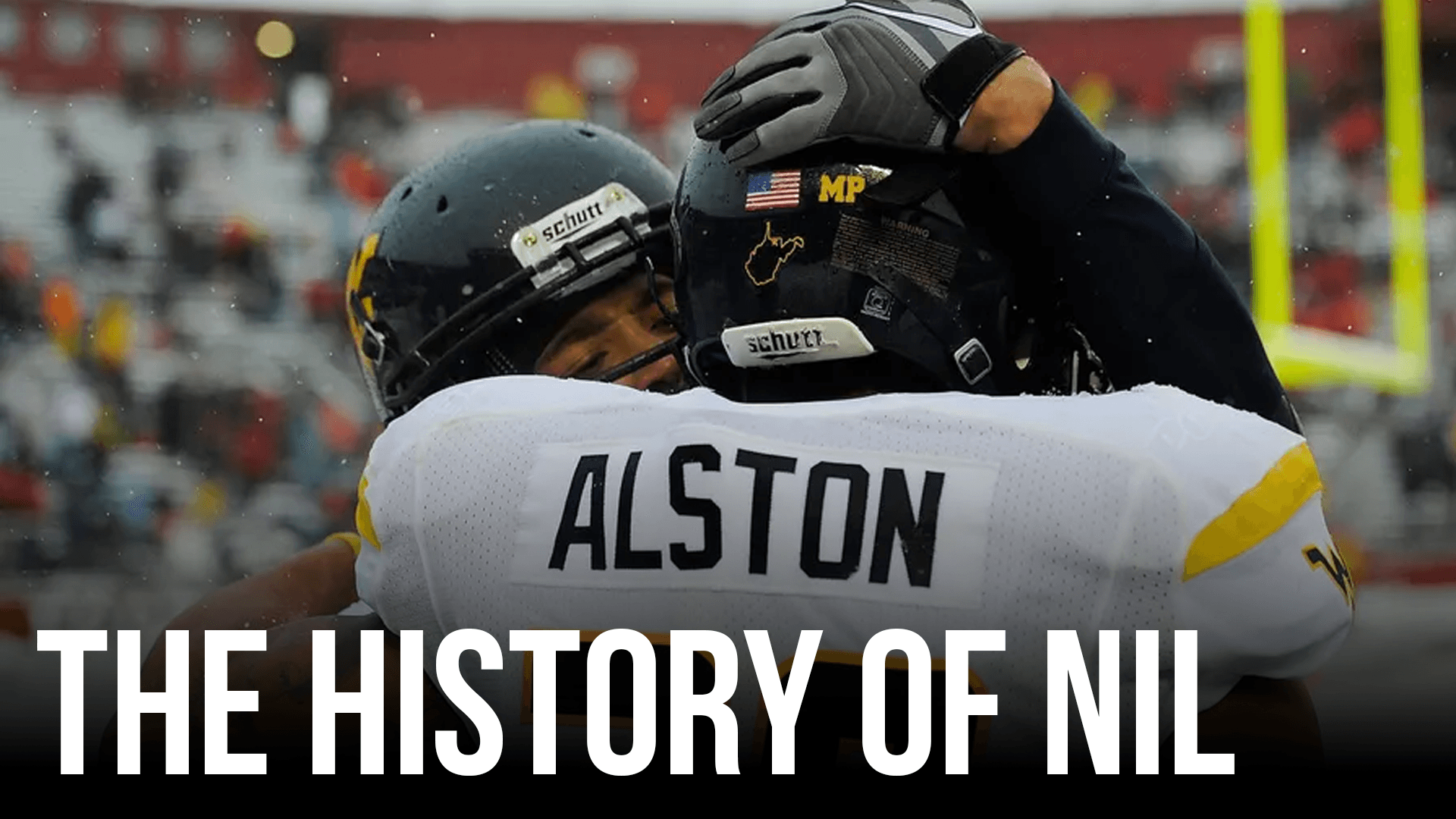
NCAA v. Alston ( 2021)
In 2021, the Supreme Court found that NCAA limits on education-related benefits violated antitrust law. The decision allowed athletes to receive benefits like graduate school scholarships, internships, computers and academic support, and academic achievement awards. Justice Brett Kavanaugh also warned that broader NCAA compensation limits could face legal challenges.
On July 1, 2021, just days after the Alson decision, NIL went live. Under these interim rules, college athletes could officially sign endorsement deals, monetize social media, start businesses, and work with agents and marketing reps.
The NIL era began.
House v. NCAA (2025)
On June 6, 2025, the NCAA finalized a $2.8B settlement, ending the amateur-only compensation model and marking a historic shift in college sports compensation. Under the settlement:
- Division I schools may athletes directly beginning on July 1, 2025
- Payments are in addition to scholarships and existing NIL deals
- Annual payment caps are tied to revenue sharing
- Former athletes can receive retroactive compensation over the next decade
NIL Today
Since 2021, NIL deals have grown into a multi-billion dollar market. Deals range from local businesses to national brands and many schools now have collectives that help athletes secure NIL opportunities. Many schools now have collectives that help athletes secure NIL opportunities.
Since mid-2025, schools may now directly compensate athletes under the new settlement model. NIL deals continue alongside revenue sharing, blending traditional endorsement with institutional pay.
What's Next for NIL?
Looking forward, the NIL landscape continues to evolve:
- Implementation of direct pay and revenue sharing through 2025-26
- Ongoing regulatory changes, including oversight bodies like NIL Go
- Potential federal legislation to unify NIL rules
- Debates about salary caps, Title IX, and athlete employment status
NIL has also reached the federal level. A presidential executive order issued April 2, 2026 calls for federal oversight of NIL deals, limits on athlete transfers, and eligibility caps, though it's impact remains uncertain.
The order does not create a new law or new rules, but it directs the NCAA and federal agencies to develop them. It does not grant the NCAA an antitrust exemption or override the court rulings that have blocked transfer restrictions. It cannot do those things without congressional legislation.
What it does do is create pressure on universities to self-police. Learn more here.
GET YOUTH INC UPDATES
Get real tools, fresh perspective, and inspiring stories to help you get the most from youth sports. Plus, you'll be entered for a chance to win premium fan wear to rep your favorite school or club